

Marvel Studios Has Failed its Black Heroes
When asked in a recent interview about his thoughts regarding Marvel’s Blade, Kevin Feige expressed excitement for Wesley Snipes’ return in Deadpool & Wolverine. But when it comes to the project that was announced in 2019, the president of Marvel Studios said, “I am feeling like a gigantic loser and failure that we didn’t get off the ground with Mahershala.”
After a very recent surprising turn of events with Marvel projects in the past week, particularly Black-led projects, I fear I am inclined to agree and that it, in turn, puts a spotlight on a wider scale issue at Marvel Studios.
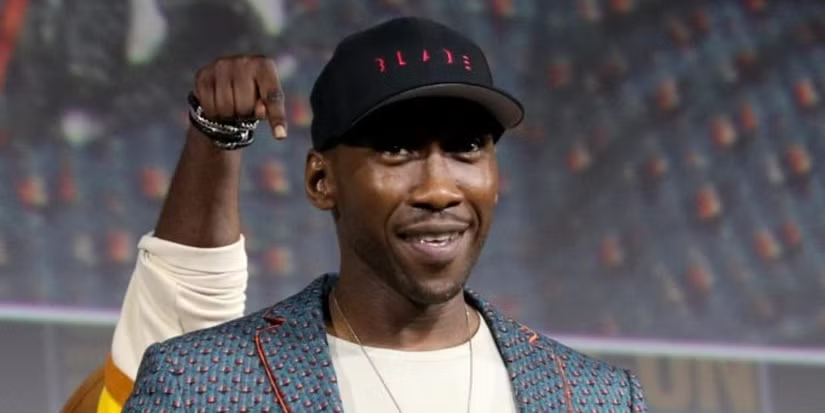
On paper, Blade truly should have been one of Marvel’s slam dunk wins. Due to popularity from the comics and Wesley Snipes’ iconic performance of the original role, the character already had a built-in fan base. Mahershala Ali signing on brought a big amount of prestige and credibility to the role. When he was announced to be coming aboard at San Diego Comic-Con in 2019, the crowd went absolutely insane with their cheers as he donned the hat with the official logo for the film and everything went black as the logo was simultaneously showcased on the Hall H screen.
At this point in time, the supernatural side of the MCU was truly beginning to grow, creating a perfect opportunity to introduce darker storytelling and introduce characters like Blade and the Midnight Sons. Instead, Blade would unfortunately become the symbol of what many Black-led projects have fallen into, which is development hell.
Over the course of seven long years, with no help from the COVID-19 pandemic, the film cycled through various issues. This included multiple writers, directors and rewrites, industry strikes, constant release date delays, and eventually just being removed from the MCU release calendar entirely. Hollywood is full of projects that evolve over time and productions that stall for a multitude of reasons.
But what made Blade stand out is how long Marvel allowed the project to remain in this strange limbo without offering fans any indication of its status or if it even remained a priority. Up until last week when Ali confirmed that he had since moved on from the project, we had no clue where the project stood. And his departure unfortunately did not come as a surprise, but it was disappointing as it confirmed that Blade was indeed a project that would never escape development hell.
But then came the quote from his GQ interview that reframed the entire conversation:
“If they wanted to do it, we would’ve done it.”
And this quote, along with what happened next, transformed Blade from a production casualty into something much more concerning for myself and other Black Marvel fans.
Then Came Wonder Man…
Just as Ali’s comments reignited the conversation about Blade, Marvel found itself facing another uncomfortable headline, featuring another Black-led project.
Wonder Man, starring Yahya Abdul-Mateen II, wasn’t just another project that never got off the ground for Marvel. Quite the opposite in fact, as the show premiered to rave reviews, garnered Abdul-Mateen an Emmy nomination, and was even greenlit for a second season in March 2026. Just last week, though, we learned the news that Disney and Marvel reversed their decision and ultimately canceled it.

Abdul-Mateen made a statement on his Instagram after learning of the news and showrunner Andrew Guest later revealed that contracts were signed, the writers room was scheduled to reopen, and the first episode of season 2 had even been written. According to Guest, the cancellation wasn’t due to scheduling conflicts or even a secret film adaptation, rather an internal decision up the ladder at Disney and Marvel.
On its own, Wonder Man‘s cancellation could be written off as another casualty of an industry increasingly defined by cost-cutting and shifting streaming priorities. But when viewed alongside the recent development with Blade, it becomes much harder to ignore the “elephant in the room” question.
Why do so many Black-led Marvel projects seem to face an uphill battle to survive compared to other projects within the MCU?
Don’t misunderstand me, I’m not saying EVERY Black-led project has failed. The most obvious example is Black Panther, which has proved beyond a shadow of a doubt that audiences will support Black Marvel superheroes WITHOUT QUESTION, especially when they see that Marvel fully is all in.
The real question before us is whether or not Marvel has shown us that same level of commitment across the rest of its Black-led stories.
The Pattern We Can No Longer Ignore
When you look back at Marvel’s more recent history, Blade begins to look less like another ball drop and more of just another in a long line of a consistent issue.
There have been several Black-led projects that have entered development with big fanfare, only to stall, disappear, and/or quietly be removed without a trace from the Marvel Studios lineup.
Armor Wars, starring Don Cheadle reprising his role as James Rhodes aka War Machine, went from an upcoming Disney+ original series to full-length film to completely being removed from the Marvel slate altogether.
An Okoye-centered Disney+ spin-off series allegedly entered development before being removed entirely from the public conversation. We can even go beyond the viewpoint of Black-led projects and look at ones centered around other characters of color that just came and went. Prime examples include Moon Knight, Ironheart, and Ms. Marvel.
The Promotion Problem
All of that to say even when these projects get to the screen successfully, they still don’t feel like they are priorities.

The Falcon and Winter Soldier introduces Sam Wilson as he takes over the mantle of Captain America and his journey as he does so. However, rather than celebrating a Black man taking on the rank and title of one of the most highly beloved superheroes and what that represents, the conversation surrounding the series seemingly focuses on setting up future MCU stories. Aside from Brave New World, Sam’s time as Cap feels like an afterthought in the broader universe.
Ironheart spent years in development following Riri Williams’ coveted introduction via Black Panther: Wakanda Forever. By the time the show premiered unceremoniously, many fans felt that the momentum to really push this character had already faded, and that its marketing campaign was noticeably quieter compared to other Marvel Disney+ releases.

Eyes of Wakanda, despite its impressive ability to expand on one of Marvel’s most elaborate fictional worlds through the animation medium, arrived with very little fanfare outside dedicated Marvel circles.
The post-credits scene in The Marvels directly sets up the events of Avengers: Doomsday — with Monica Rambeau trapped in the X-Men universe — but there has been no mention of Teyonah Parris’ inclusion in the upcoming movie.
Marvel certainly promoted these projects but whether they did so with the same energy, visibility, conviction, and confidence that is usually afforded to their other franchises remains to be seen.
Promotion doesn’t end at trailers. It moves with convention presentations, merchandise, integration within the Disney Parks, media appearances and interviews, brand partnerships and social media campaigns. These convey to us the fans the amount of faith a studio has for a project before we ever press play on it.
Has Black Panther Become Marvel’s Shield?
Now perhaps the strongest counterargument is also the most obvious one: Black Panther.
Seemingly, Marvel never hesitated to invest in the world of Wakanda. The original film quickly grew into a cultural phenomenon, grossed more than one billion globally, earned multiple Academy Awards, received one of the largest marketing campaigns in the studio’s history, and ultimately became one of the beacons of representation in the comic book superhero media space.
Black Panther proved that Black-led superhero movies are not a financial risk, but in fact can be blockbuster events. Which brings me to my next question: If Marvel knows how to successfully support Black-led stories, why has that same level of commitment appeared so concentrated on one franchise? The announcement of the Wonder Man cancellation and Mahershala Ali leaving the Blade project came almost immediately after Marvel’s announcement of Black Panther III and the introduction of its new lead, David Jonsson.

Why haven’t heroes like Blade, Rhodey, Sam Wilson, Riri Williams, Moon Girl, Monica Rambeau, or Okoye and the Dora Milaje consistently received the same sustained investment?
Coincidence or Pattern?
Long before Ali’s GQ article, Marvel fans had already begun asking the very questions I’ve asked here.
Where is Blade? Where is Armor Wars? What is going on with Monica Rambeau? Why did Ironheart disappear so quickly? Why do announcements focused on Black heroes and other characters of color so often seem to lose momentum despite the fans asking for more of these stories? These conversations have been going on for years within the fandom spaces, yet Ali’s comments seemingly changed that. For the first time, someone who was majorly involved with one of these projects has appeared to echo the very frustrations that we the fans have voiced and already suspected.
Now it is very possible that every project discussed here has its own unique explanations. Creative differences, corporate restructuring, budget constraints and shifts, or scheduling conflicts. Hollywood is a complicated machine and every production is its own journey. But audiences don’t experience these projects individually. We experience them collectively.
So when one Black-led project struggles, it’s, of course, extremely unfortunate. When several are delayed, reworked, shelved quietly, cancelled or marketed with no notice, it inevitably becomes the larger conversation that we are now having.
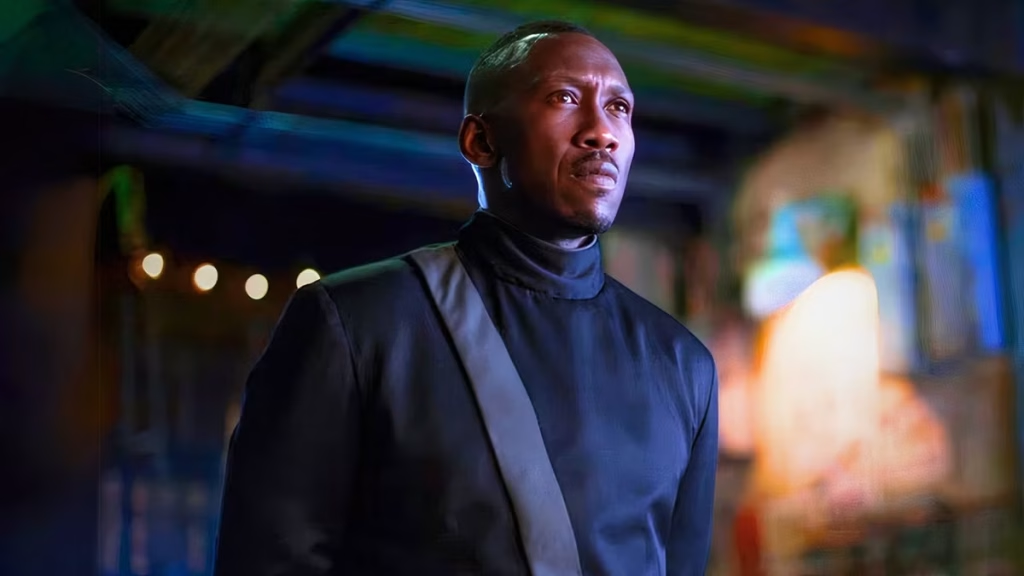
And while Mahershala Ali was speaking specifically about Blade, whether he meant to or not, his words have become the lens through which we as Marvel fans have begun to reevaluate the studio’s broader commitment to not just its Black heroes, but heroes of color as a whole.
It gets to a point where the question stops being whether each individual decision can be explained. It turns into if, taken together, those decisions reveal a toxic pattern that Marvel Studios can no longer afford to ignore.

Discover more from The Nerds of Color
Subscribe to get the latest posts sent to your email.


Pingback: NOC Week in Review: August 1-7, 2026 – The Nerds of Color