
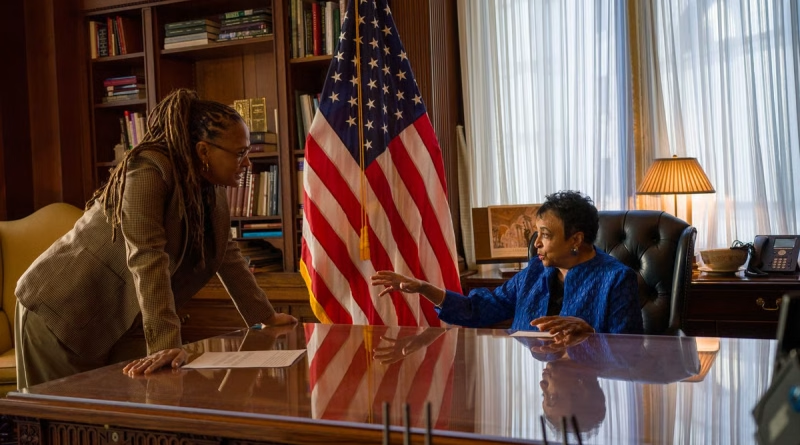
Ava DuVernay Explains What’s at Stake, Then Leaves Us Hanging in ‘14th’
Ava DuVernay’s new documentary 14th opens with January 6, which feels appropriate considering people who stormed the U.S. Capitol claimed they were somehow defending the Constitution while actively trying to disrupt the constitutional process. Welcome to America!
Much like 13th, DuVernay’s latest documentary takes something many of us vaguely remember from a high school history class and asks us to understand how deeply it affects the country we are living in right now. This time, the subject is the 14th Amendment. To give a bit of a history lesson, here is a breakdown of the 14th amendment.
- Section 1: Establishes citizenship for anyone born or naturalized in the United States and says states cannot take away a person’s privileges, liberty, property, or equal protection of the laws without due process.
- Section 2: Deals with representation in Congress and says a state’s representation can be reduced if it wrongly denies eligible male citizens the right to vote.
- Section 3: Bars certain former government officials who participated in insurrection or rebellion against the United States from holding public office, unless Congress removes that restriction.
- Section 4: Says valid U.S. public debt must be honored, but debts connected to rebellion against the United States, including Confederate debts, cannot be paid.
- Section 5: Gives Congress the power to enforce the amendment through appropriate legislation.
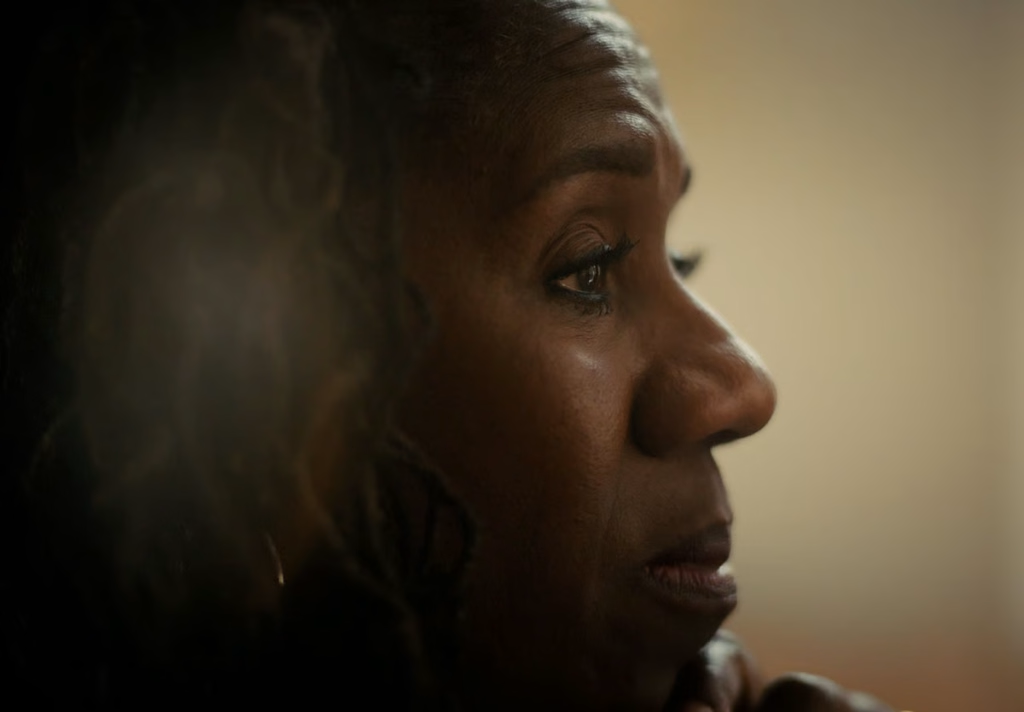
Legal scholar Sherrilyn Ifill acts as something of a guide through the film, tracing the amendment from Reconstruction through the dismantling of Black political and economic progress and into the present day. The documentary breaks its five sections down into relatively digestible terms: citizenship, voting rights, insurrection, public debt, and Congress’ ability to enforce the amendment. The history matters because 14th makes clear that progress in America has never moved in a straight line.
After emancipation came Reconstruction. Black Americans built churches, bought property, entered politics, created institutions, and attempted to build lives outside slavery. Then came the backlash. The documentary reminds us that constitutional protections existing on paper did not prevent thousands of lynchings, segregation, disenfranchisement, or generations of organized violence designed to put Black people back “in their place.” David Blight, Melissa Murray, Stacey Abrams, and others help unpack that history without making the movie feel like a two-hour constitutional law lecture. DuVernay also incorporates comedians including George Carlin and Hasan Minhaj, using humor to break up material that could otherwise become suffocating.
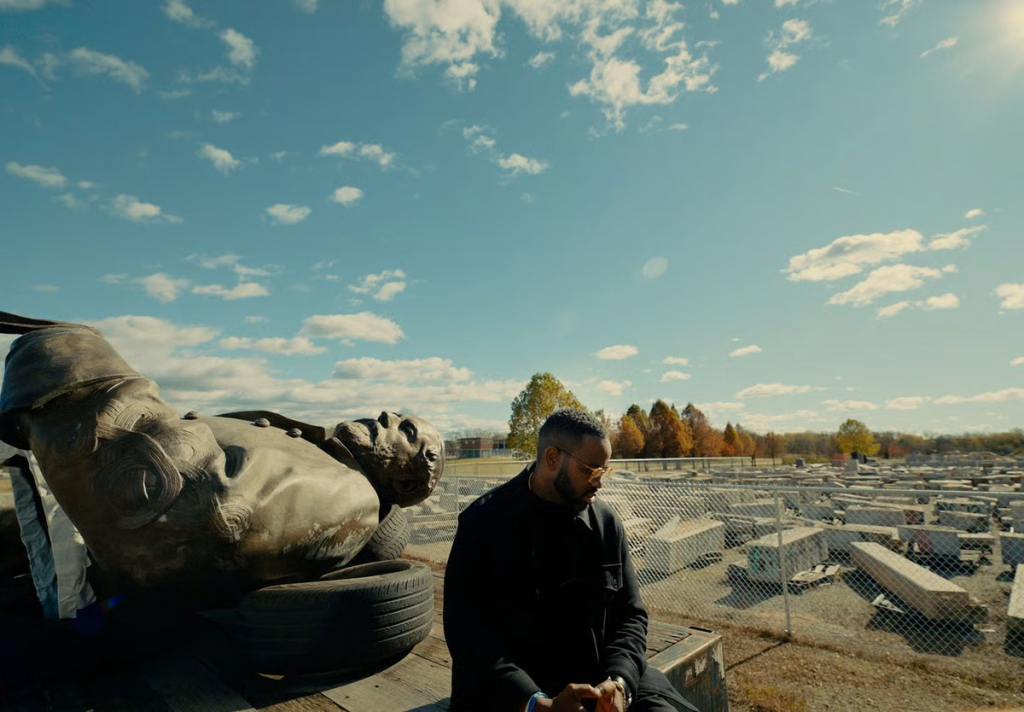
There are also fascinating details, including the role organizations such as the United Daughters of the Confederacy played in erecting Confederate monuments that would later be removed following the murder of George Floyd. To be honest, 14th never hit me with the force of her previous documentary, 13th.
Part of that is because the movie feels strangely cautious considering how urgent it believes the moment to be. It spends considerable time detailing attacks on democratic institutions and constitutional protections, but there is comparatively little interrogation of how political leadership, including Democrats, failed to adequately protect those institutions when it had opportunities to do so.
Then the movie tells us we need to build a new democracy. Okay. How? That is where 14th loses me. I actually appreciate that DuVernay does not end with the standard “go vote” speech. People are exhausted. Plenty feel politically powerless. Simply telling everyone to show up at the ballot box again would feel almost insulting without acknowledging that disillusionment. However, the alternative cannot just be… nothing. The documentary essentially ends. No concrete call to action. No discussion of organizing. No roadmap. Not even somebody admitting, “We honestly don’t know what comes next.” Maybe that emptiness is intentional. If so, it needed greater articulation.
More distracting is DuVernay’s use of AI-generated movement to animate historical photographs. Images from the Civil War, Reconstruction, World War II, and the civil-rights era are made to “come alive” with that unmistakably artificial drifting and blinking. These photographs already contain history. They contain real people. They do not need a software manufacturing movement to make them emotionally relevant. The effect is unnecessary, ugly, and, considering the subjects represented, it’s tacky and ghoulish.
I also didn’t understand the inclusion of problematic political influencers such as Hasan Piker and Dean Withers while there are plenty of other Black and Brown political influencers with just as many followers who could have offered more. I don’t know.
Look, 14th remains informative and undeniably timely. People should understand the constitutional rights they possess and how aggressively those rights can be challenged. I just wish the documentary carried the same tenacity as its predecessor. The documentary does an excellent job explaining how we got here. It has considerably less to say about where the hell we go next.
14th is currently streaming on Netflix.

Discover more from The Nerds of Color
Subscribe to get the latest posts sent to your email.


